
Sustainability
Honey is a sugar product produced by honeybees from flower nectar. Many people are considering replacing their intake of white refined sugar (usually cane sugar) with honey as a healthier, more sustainable option. But what does this mean? How do these two sources of sugar compare to each other in terms of health and sustainability? Here at O'Brien's Buzz we did all this thinking for you. Take a look!
Local, Raw Honey
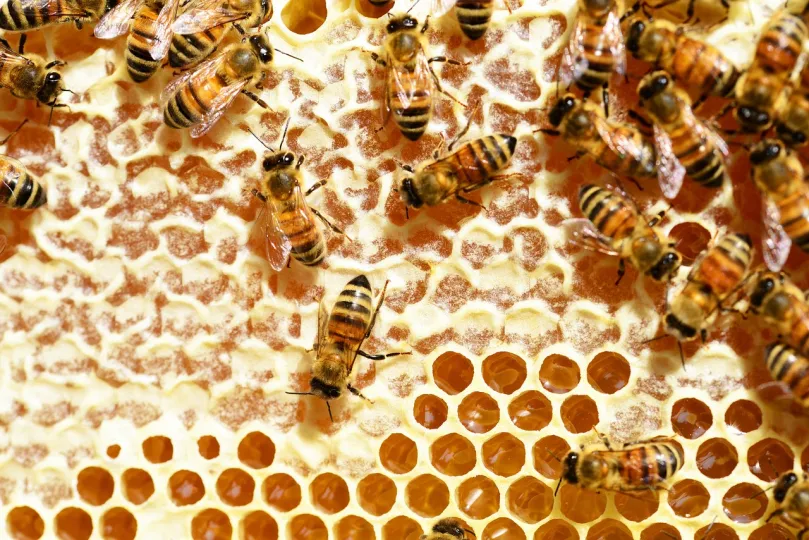
- Emissions: ~0.001 to 0.003 kg CO2e per kg of honey (1)
- Processing: Honey processing requires low energy equipment and is generally safe and low risk of injury.
- Environment: A honeybee hive requires very little land to produce honey. One hive occupies about 9 square feet and can produce roughly 100 pounds of honey each year. Honeybees also pollinate local flowers and crops, supporting the surrounding environment. Because honeybees thrive in climates ranging from tropical regions to Canada—and from deserts to rainforests—honey can be produced locally almost anywhere.
- Economy: Supports local and domestic businesses that generally provide fair wages for technical workers.
Cane Sugar
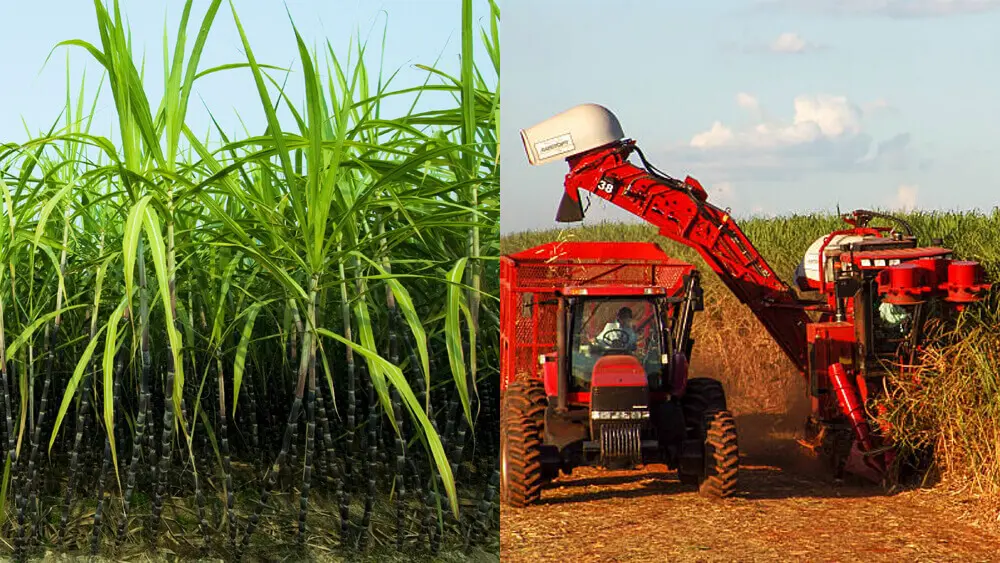
- Emissions: ~0.19 kg CO2e per kg Cane Sugar (1)
- Processing: Cane sugar production is labor, energy, and resource intensive. Harvesting and processing machines can be dangerous and have led to serious injury.
- Environment: Cane sugar requires far more land to produce. About 435–870 square feet are needed to produce 100 pounds per year, along with a large processing facility to refine it into white sugar. Because sugarcane grows in tropical climates, its production often involves clearing rainforests or wetlands, leading to important habitat loss.
- Economy: Supports “big sugar” and continued destruction of habitat to create more sugar plantations.
(1) Kendall, et. al. Carbon Footprint of U.S. Honey Production and Packing. National Honey Report and University of California Davis. 2009.